Latest News: FuturEnergy signs contract with WF Recycle-Tech to deliver 1.5T/hr commercial tyre pyrolysis plant
Biochar CleanTech Accelerator - Sustainability Innovator Of The Year ‘Highly Commended’ winners at Innovation Awards 2025
Latest News: FuturEnergy signs contract with WF Recycle-Tech to deliver 1.5T/hr commercial tyre pyrolysis plant Biochar CleanTech Accelerator - Sustainability Innovator Of The Year ‘Highly Commended’ winners at Innovation Awards 2025
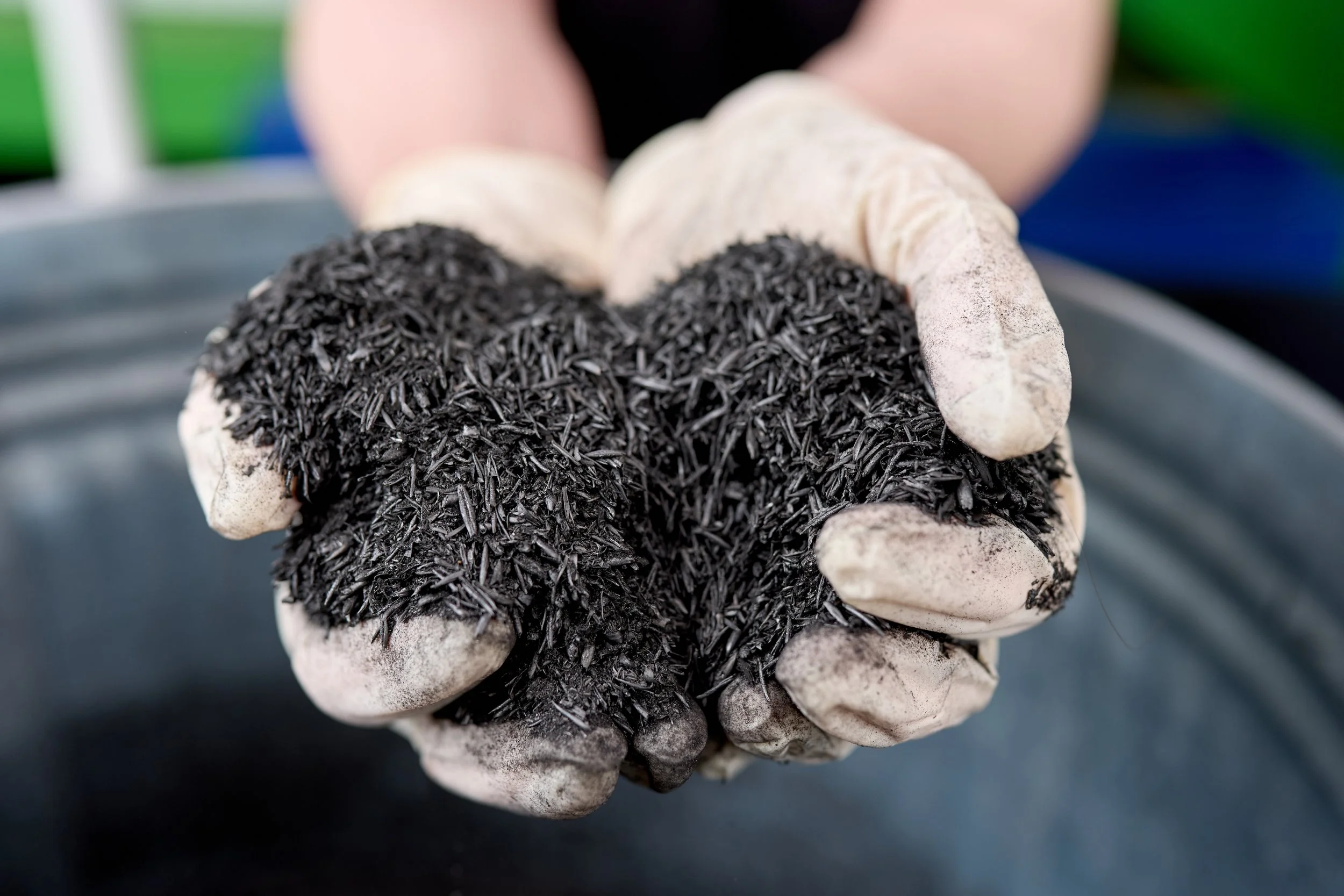
Convert residual biomass into commercial biochar and co-products
FuturEnergy is a UK-based biochar and co-products technology company, specialising in the development and deployment of commercial pyrolysis systems that enable large-scale biochar production from biomass residues.
Increase value from your biomass
Even if you already sell your residual biomass in a one-off transaction, it is often worth far more when processed through a PyroFlex system. Unlock hidden revenue from feedstocks such as woodchip, straw, grain husks and other materials and establish a steady and reliable income throughout the year.
By converting residual biomass into high-quality biochar and usable energy, you can generate multiple revenue streams.
Establish high returns from the char sale and the opportunity to participate in carbon-credit markets via carbon sequestration, plus improve soils and crop yields when the char is applied to soils.
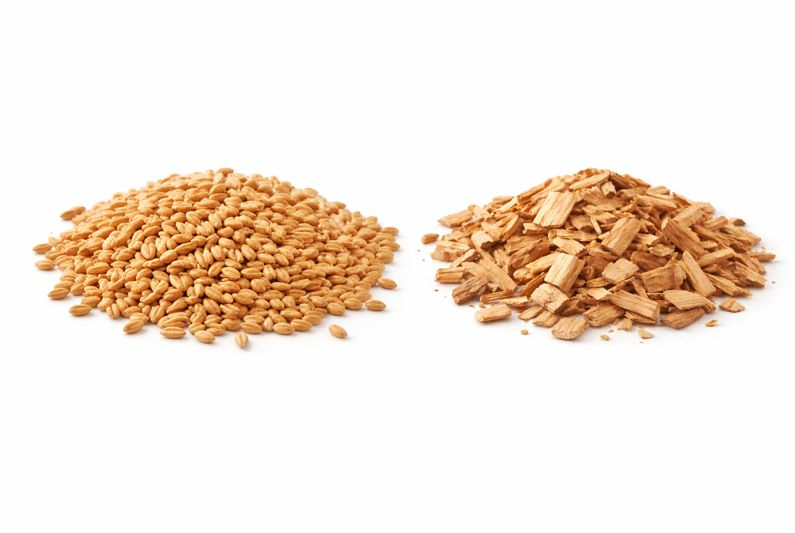
Biochar from PyroFlex
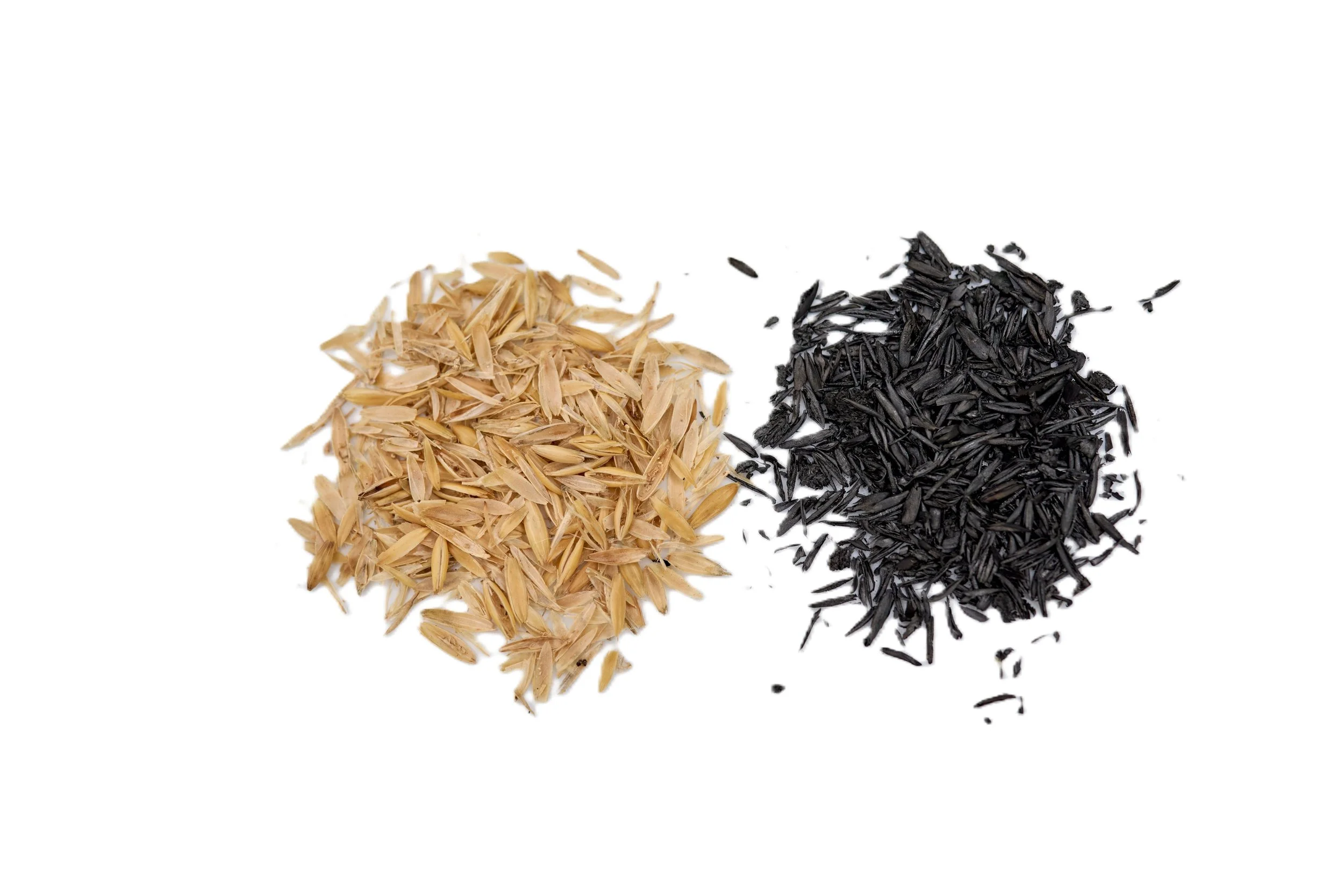
Biochar is a stable, carbon-rich material produced in the oxygen depleted PyroFlex pyrolysis reactor. Biochar is widely used to improve soil health by increasing nutrient retention, water holding capacity and microbial activity while reducing fertiliser usage.
Typical biochar applications:
Agriculture - horticulture
Industrial additives - colourant - decarbonisation
Civils products fillers - properties enhancements
Filtration - water - air
Brownfield site remediation
Odour control
Carbon based products - 3D printing
Integration into composite materials
As one of a growing number of UK biochar companies focused on industrial-scale deployment, FuturEnergy works with partners across agriculture, construction materials, and infrastructure to deliver commercially viable biochar solutions.
Carbon Credits
Additional revenue stream or offset of carbon footprint for sustainability and Environmental, Social and Governance (ESG) objectives
Biochar offers the most credible route to recognised carbon credits in the UK. Biochar stores carbon in a stable form, removing CO₂ from the atmosphere. Projects can register on recognised voluntary carbon registries and follow verified methodologies (e.g., those aligned with emerging UK carbon standards or international protocols tailored for engineered removals).
While the UK Government is developing more robust Greenhouse Gas Removal (GGR) frameworks and standards, farmers today can participate in voluntary carbon markets for biochar credits that meet independent verification and tracking requirements.
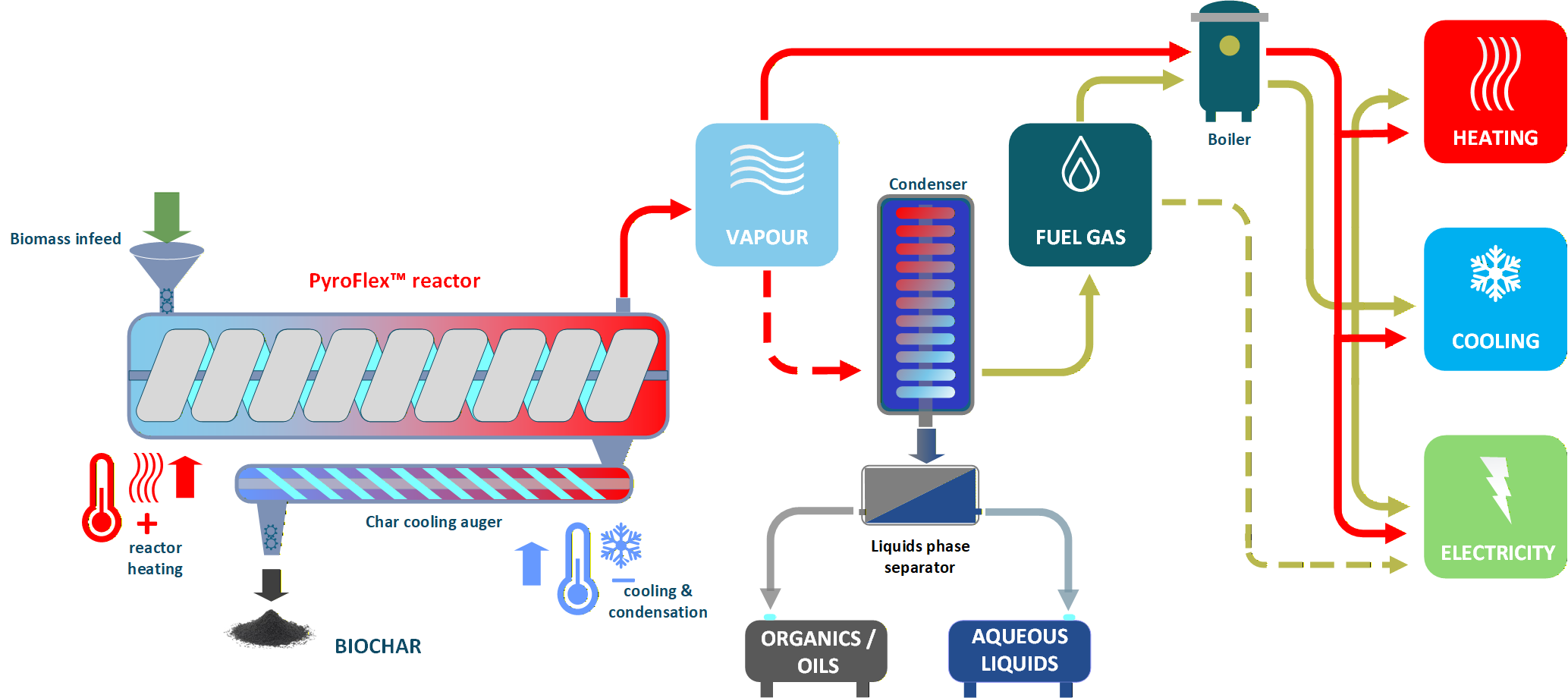
PyroFlex Pyrolysis System Process Flow
This diagram shows the PyroFlex™ process and its two configurable product options. Biomass is converted in the PyroFlex reactor into biochar and a hot process vapour. The solid red lines represent PyroFlex Vapour, where this vapour is used directly for heating, cooling, or electricity generation. The solid green lines show PyroFlex Condenser, where additional equipment condenses the vapour into organic oils and aqueous liquids, with the remaining fuel gas recovered for energy use.
PyroFlex biochar outputs are deployed across multiple sectors
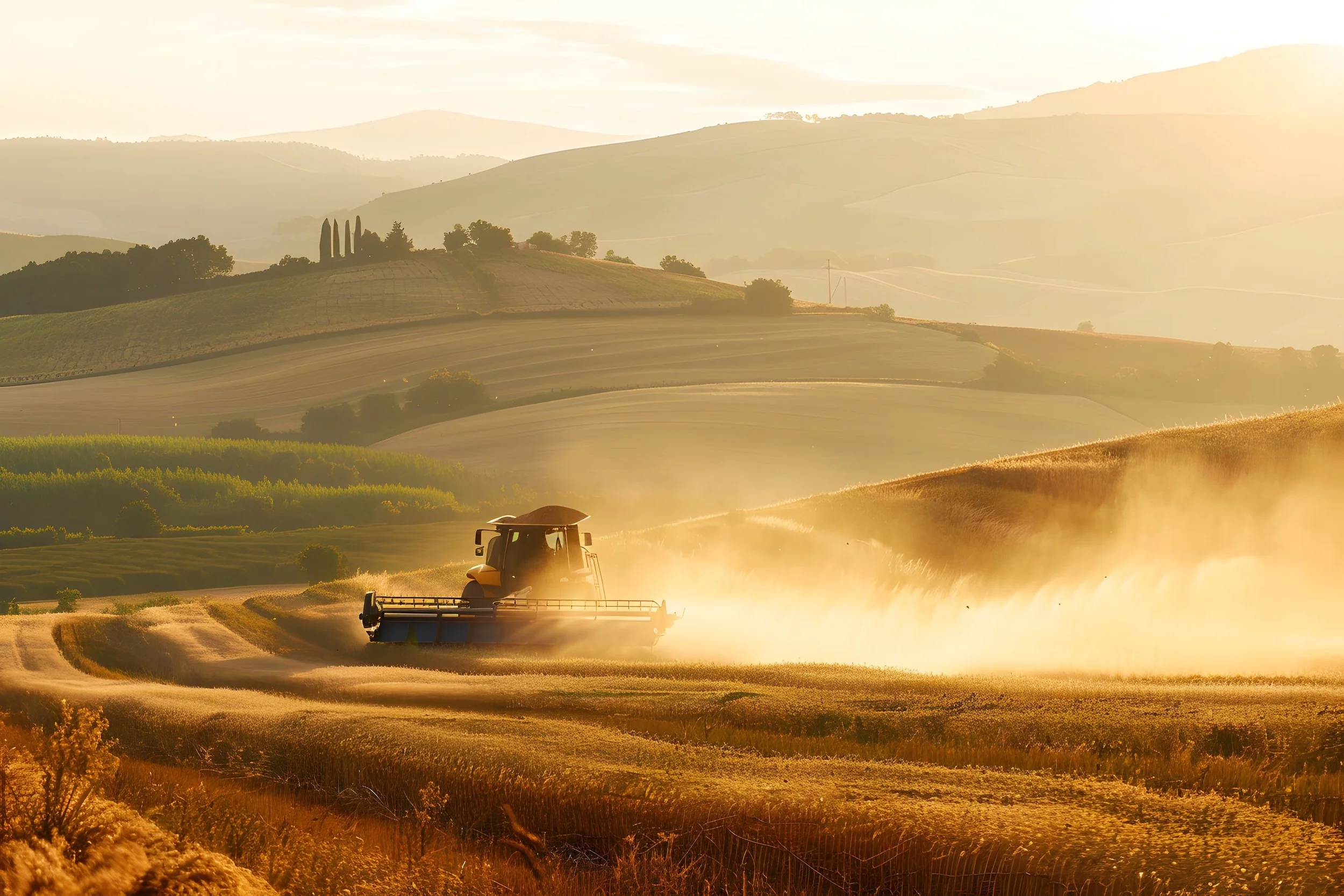
Biochar is applied to soils to improve nutrient retention, water holding capacity, and long-term soil resilience. When produced from agricultural residues, biochar also enables verifiable long-term carbon storage, supporting farm-level decarbonisation and emerging carbon credit frameworks.
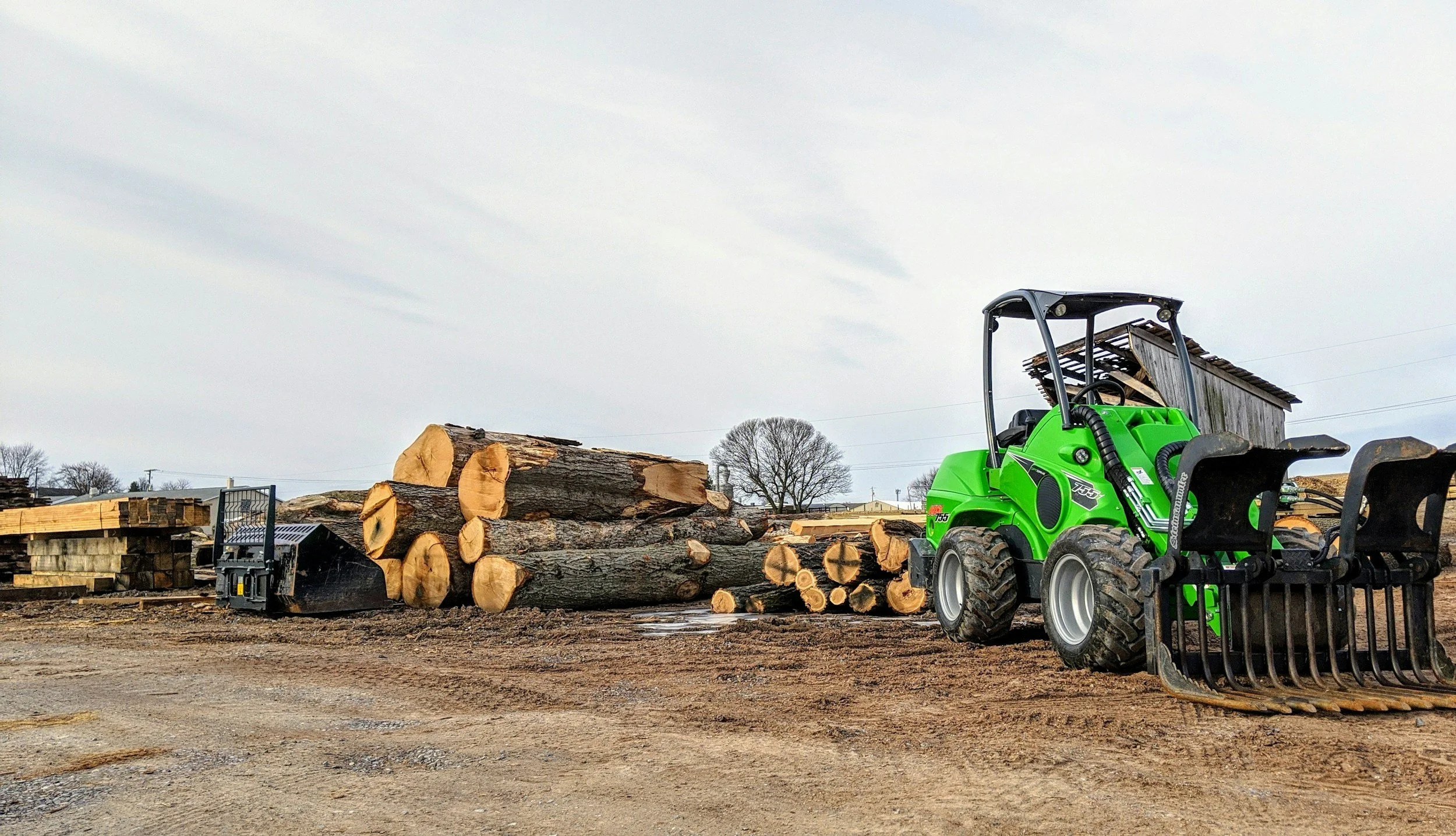
Biochar produced from sawmill residues can be returned to land for forestry soil improvement or supplied into industrial and construction material markets, creating additional revenue streams from low-value by-products.
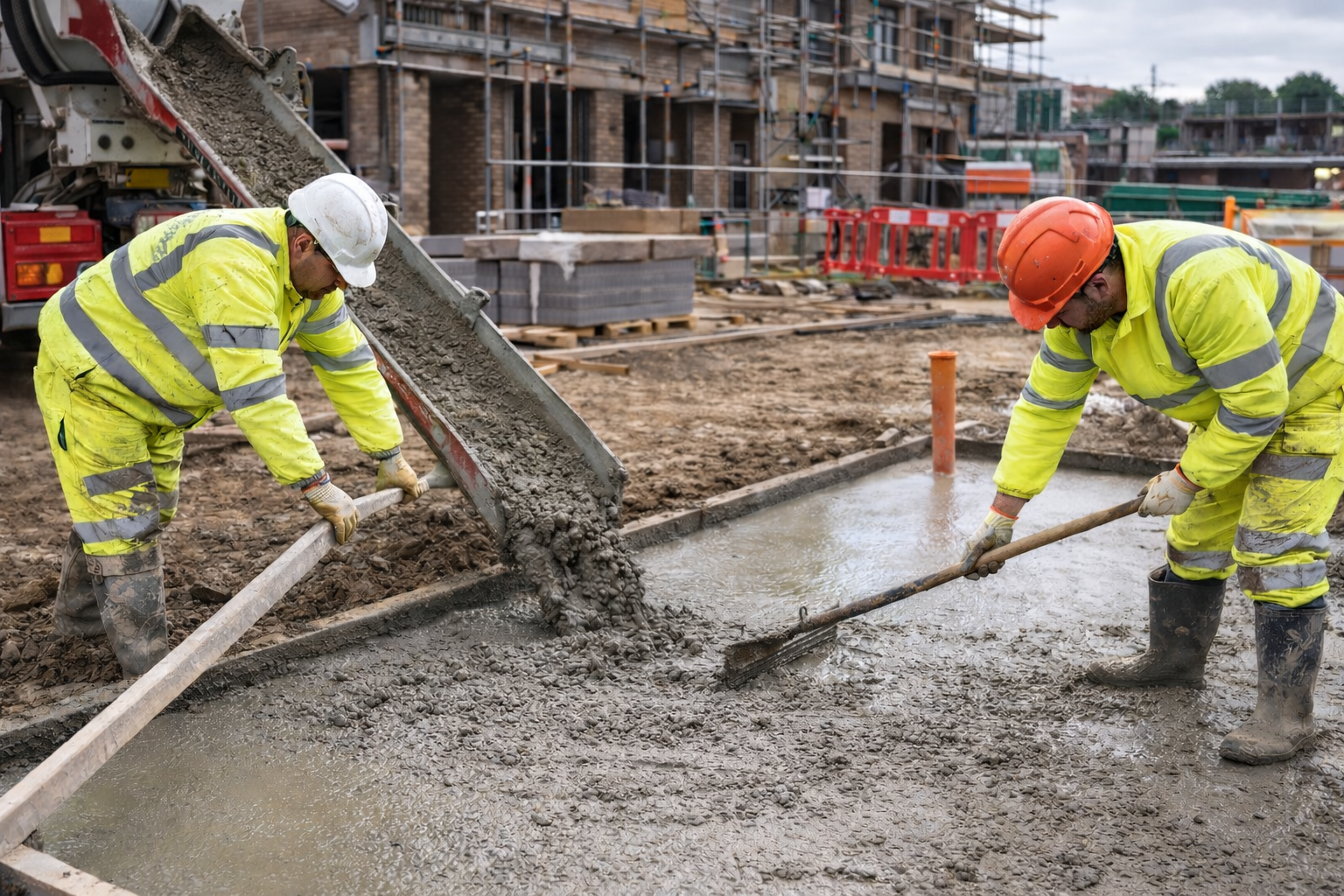
Biochar is incorporated into cementitious products, aggregates, blocks, panels, and asphalt as a partial filler or cement replacement. This reduces embodied carbon while maintaining or enhancing material performance, subject to formulation and standards compliance.
Biochar is used in parks, green spaces, land remediation, and regeneration projects, enabling councils to convert local biomass into long-term carbon storage within the built and natural environment.