Latest News: FuturEnergy signs contract with WF Recycle-Tech to deliver 1.5T/hr commercial tyre pyrolysis plant
Biochar CleanTech Accelerator - Sustainability Innovator Of The Year ‘Highly Commended’ winners at Innovation Awards 2025
Latest News: FuturEnergy signs contract with WF Recycle-Tech to deliver 1.5T/hr commercial tyre pyrolysis plant Biochar CleanTech Accelerator - Sustainability Innovator Of The Year ‘Highly Commended’ winners at Innovation Awards 2025
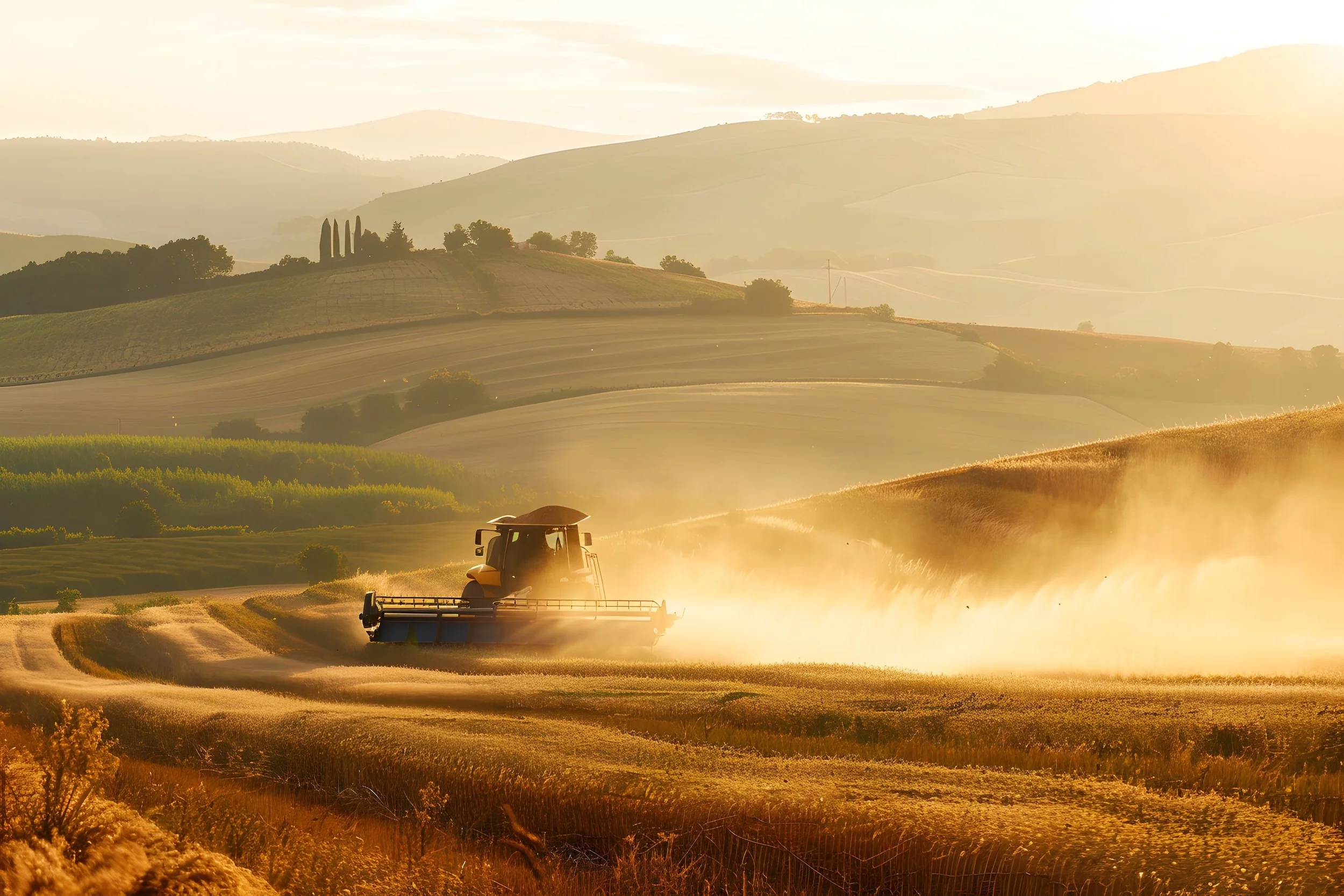
Convert agricultural biomass into commercially valuable products
Turn agricultural organic residues into value products
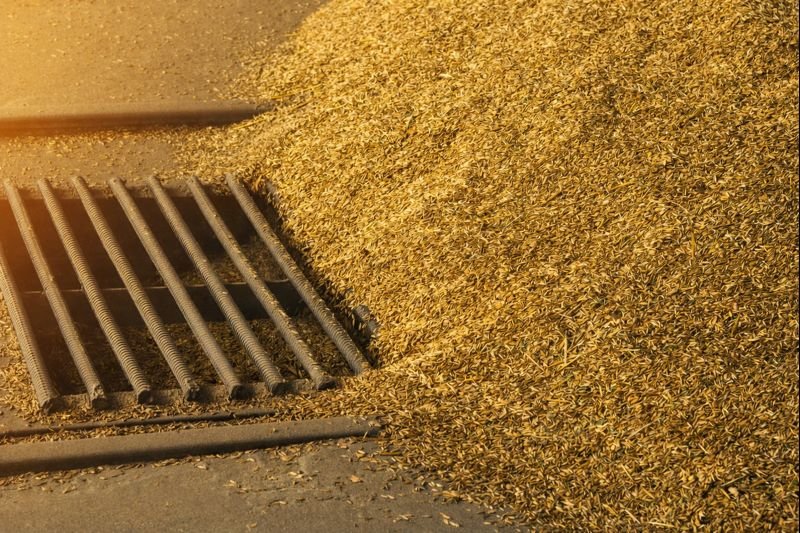
Farms and agricultural processors generate significant volumes of residual biomass, including straw, husks, prunings, and processing residues, which are often under-utilised, or disposed of at low value. PyroFlex enables agricultural operators to convert these residues into energy and valuable products on site, turning unavoidable by-products into revenue generating assets.
Biochar for Soil Health and Carbon Sequestration
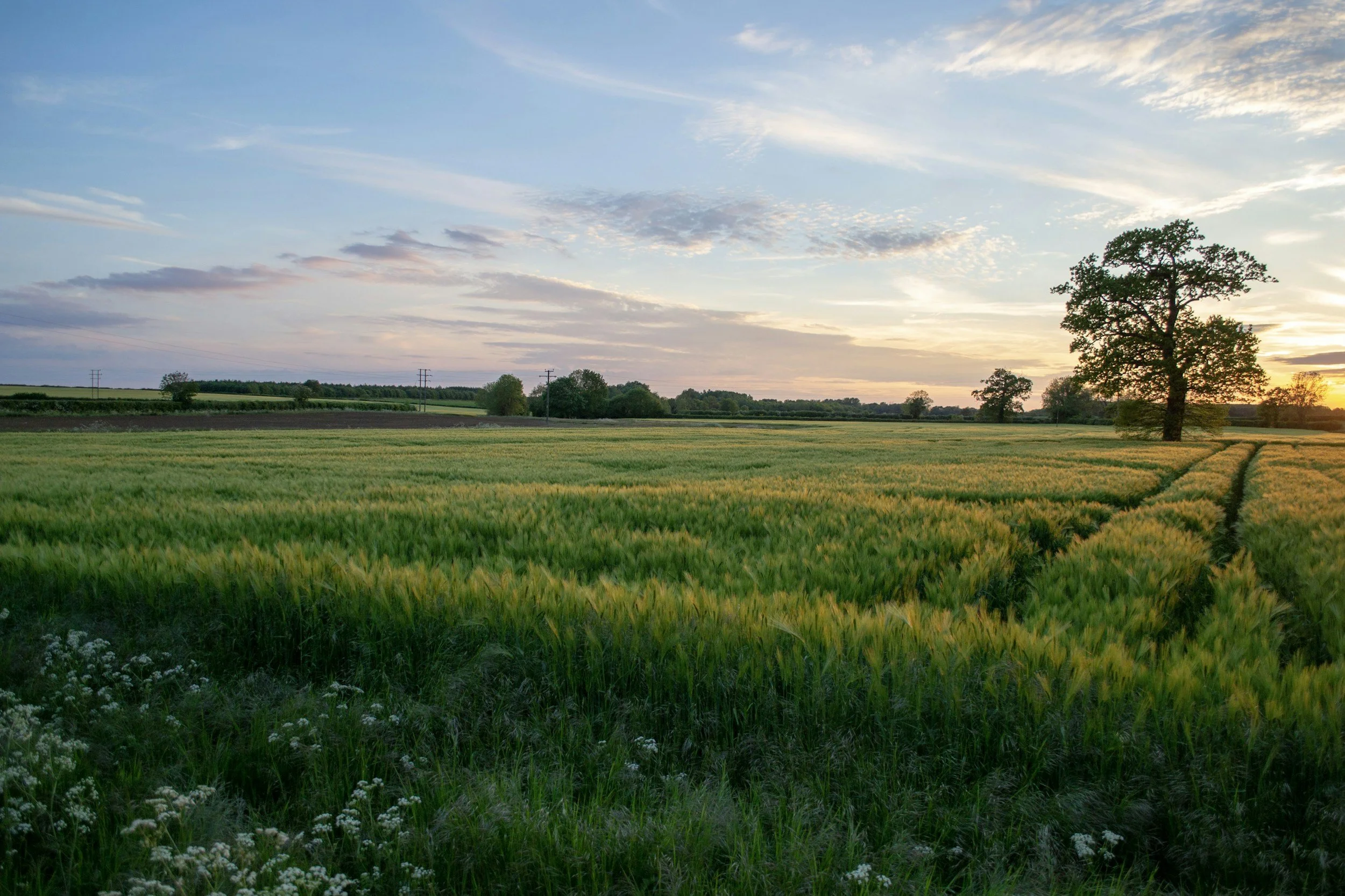
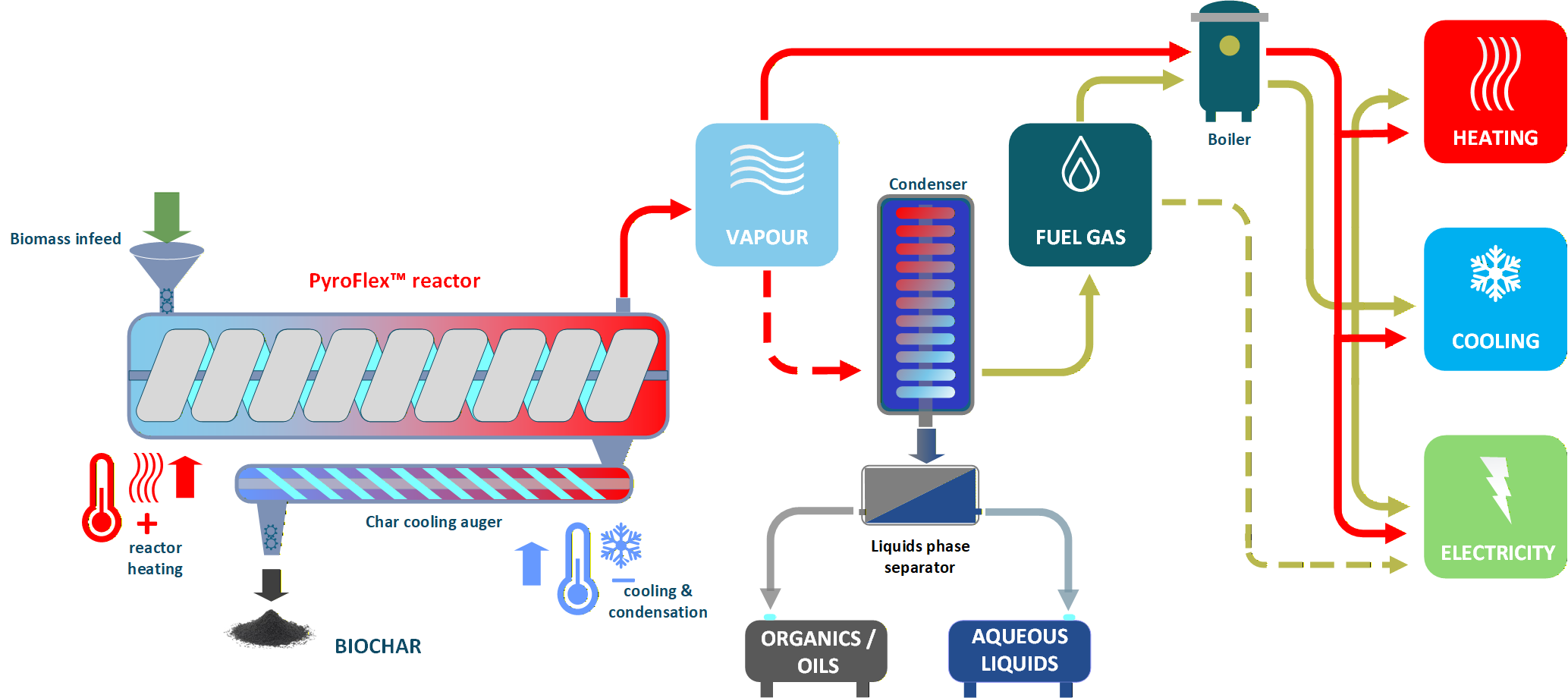
PyroFlex converts a portion of the biomass into stable biochar, which can be returned to agricultural land. Biochar is widely recognised for its ability to support soil structure, nutrient retention, and water-holding capacity, while locking carbon into soils for decades or longer. This creates a closed-loop system in which crop residues return value directly to the land, supporting both productivity and long-term soil resilience.
On-site Energy for Heat, Cooling, and Power
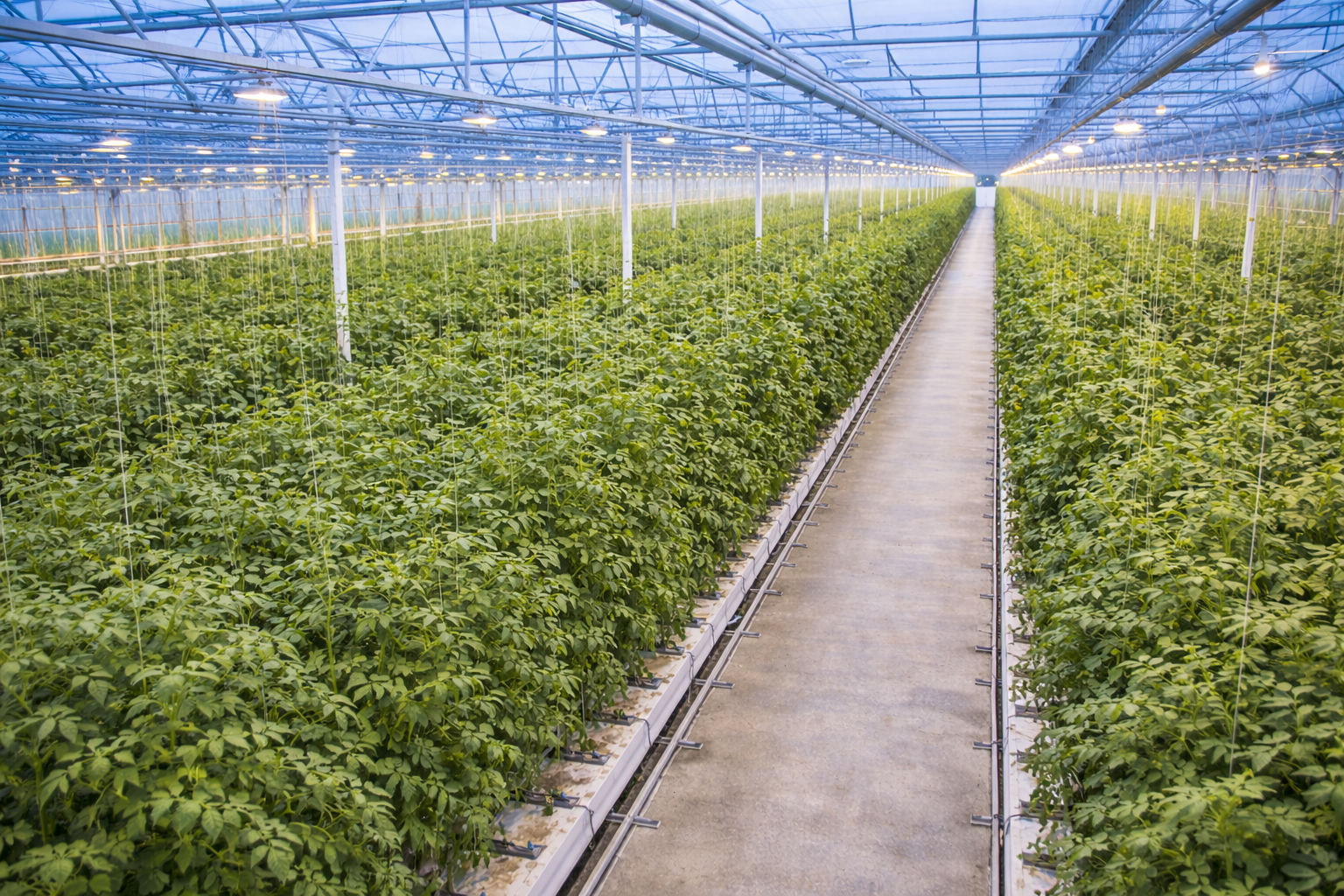
PyroFlex produces low-carbon heat, cooling, or electricity from biomass residues, supporting applications such as grain drying, space heating for glasshouse operations & livestock, refrigeration and site power demand. By generating energy on site, operations can remove dependence on grid electricity and fossil fuels, improve energy resilience, and stabilise operating costs in the face of volatile energy prices.
Producing Low-Carbon Liquid Products
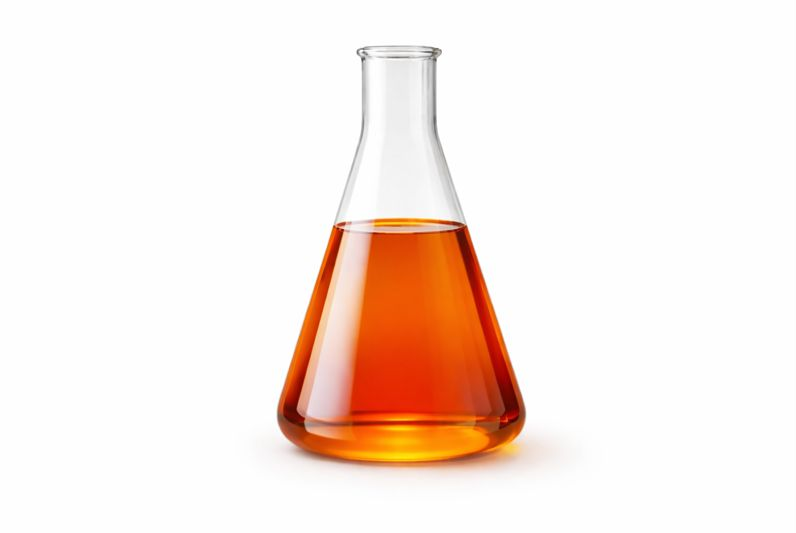
In addition to energy, PyroFlex produces biogenic liquid products, including an organic oil phase and an aqueous phase, creating additional value from agricultural residues. These liquids may be used in low-carbon fuel, agrochemical, or industrial applications, subject to formulation and regulatory approval. This provides agricultural operators opportunities to participate in emerging low-carbon supply chains beyond primary food and feed production.
Decarbonisation and Climate Credentials
PyroFlex delivers measurable and validated lifecycle emissions reductions by displacing fossil energy and enabling permanent carbon storage through biochar. This supports reductions in on-farm Scope 1 emissions and strengthens downstream Scope 3 performance for food processors and supply-chain partners. PyroFlex therefore provides farmers with a credible pathway to demonstrate progress toward net-zero targets without compromising operational reliability.
Reduced Residue Handling costs
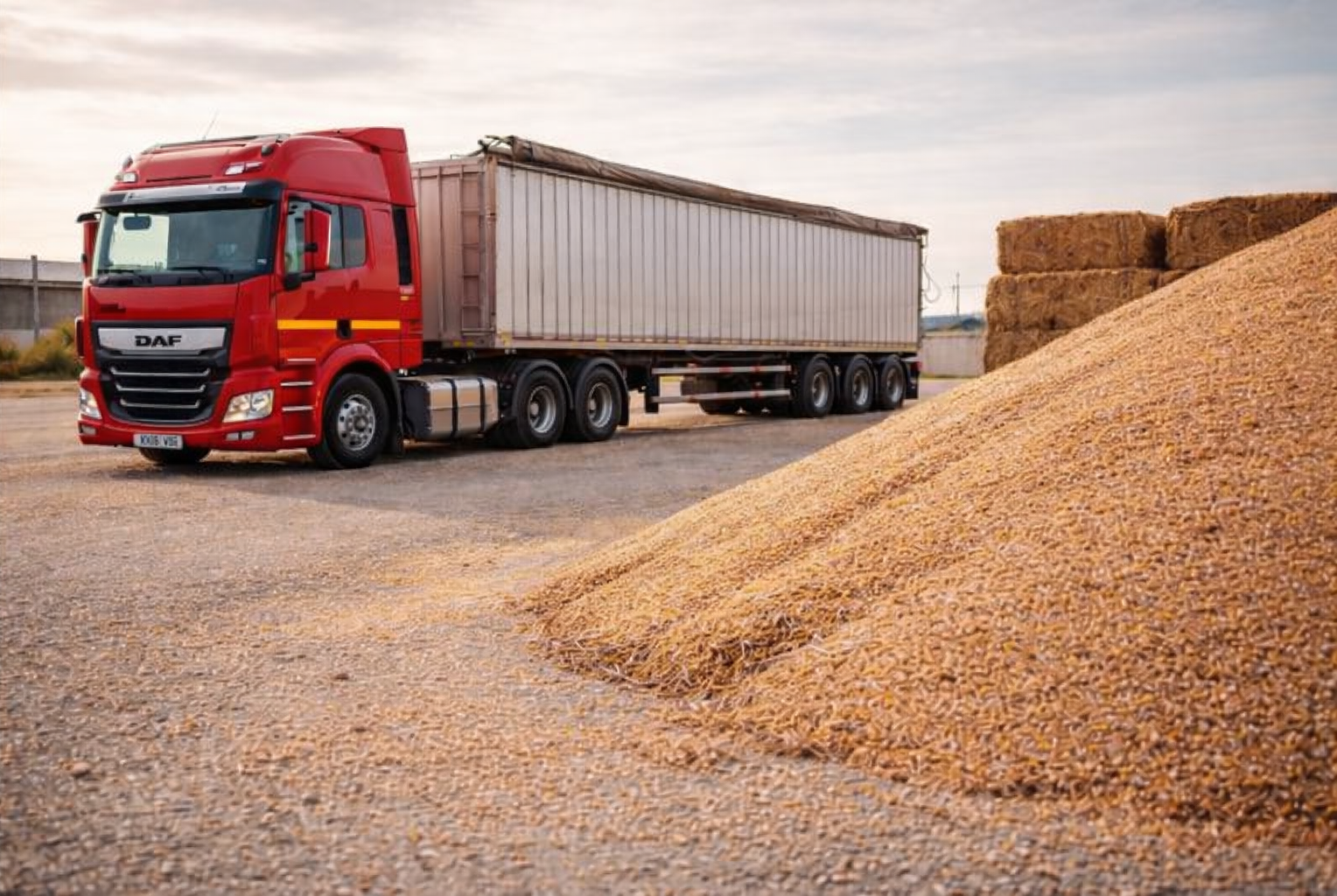
PyroFlex provides farmers with a practical, compliant alternative that turns a disposal challenge into an opportunity. Instead of paying for residue removal, transport, or low-value processing, crop wastes can be converted on-site into biochar and useful energy. This significantly reduces handling and disposal costs while improving farm efficiency, freeing up time, labour, and land management budgets.
A platform to access existing and emerging markets
PyroFlex offers agricultural operators a flexible platform that can evolve over time. As markets develop, outputs such as the aqueous phase will support emerging applications in plant growth, soil conditioning, or fertiliser offsetting, subject to trials and regulatory approval. Combined with energy generation and biochar production, this positions PyroFlex as a future-ready solution for agriculture navigating rising input costs, climate pressures, and changing policy landscapes.