
Latest News: FuturEnergy signs contract with WF Recycle-Tech to deliver 1.5T/hr commercial tyre pyrolysis plant
Biochar CleanTech Accelerator - Sustainability Innovator Of The Year ‘Highly Commended’ winners at Innovation Awards 2025
Latest News: FuturEnergy signs contract with WF Recycle-Tech to deliver 1.5T/hr commercial tyre pyrolysis plant Biochar CleanTech Accelerator - Sustainability Innovator Of The Year ‘Highly Commended’ winners at Innovation Awards 2025
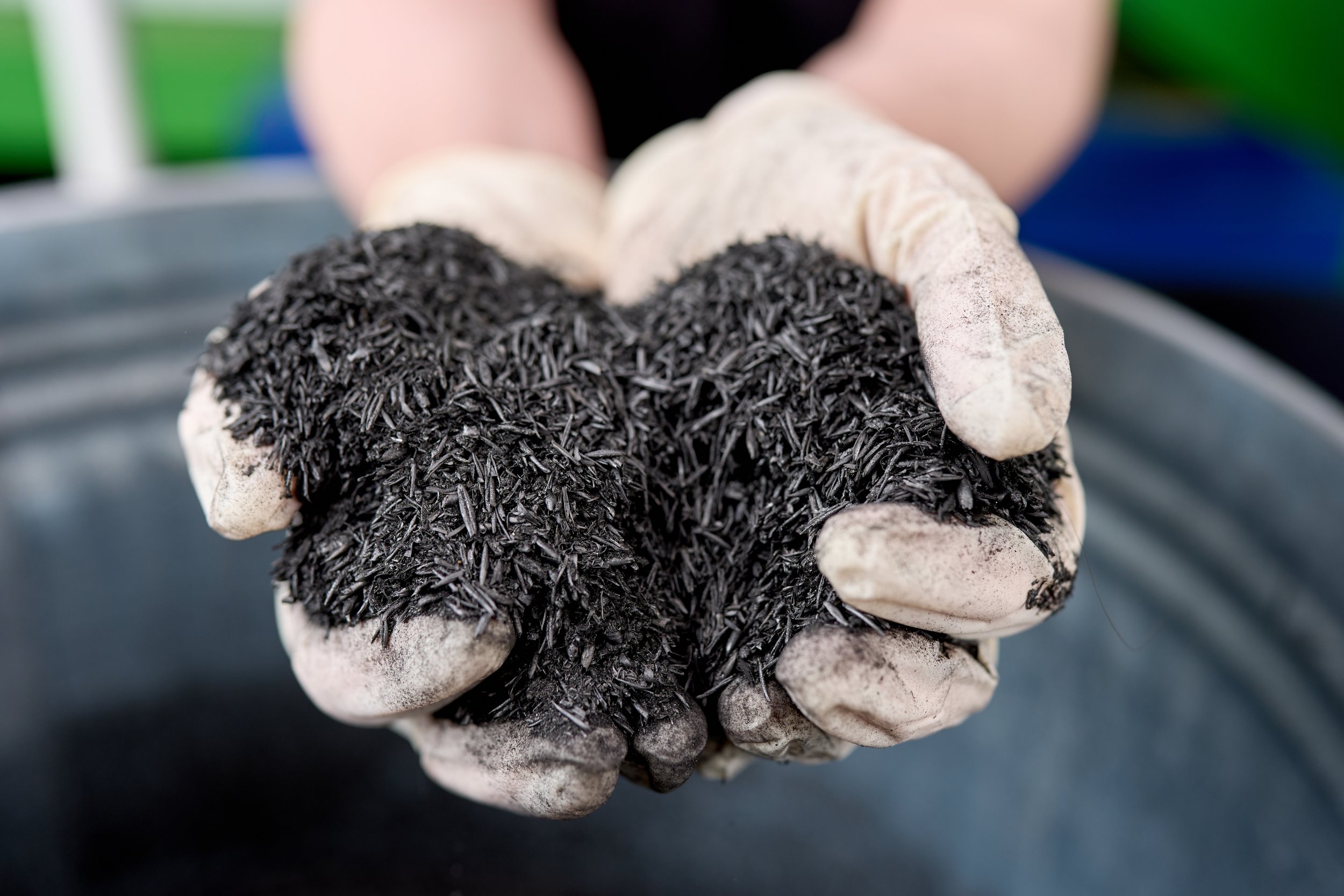
Biochar and carbon sequestration
One of biochar’s most significant attributes is its long-term carbon stability. Carbon that would otherwise return to the atmosphere through natural decomposition is instead stored in a solid form that can persist for decades or longer.
As a result, biochar is increasingly recognised as a tool for:
Carbon sequestration
Negative emissions strategies
Supporting corporate and supply-chain decarbonisation goals
When produced from sustainable biomass and used responsibly, biochar can contribute to measurable reductions in net greenhouse gas emissions.
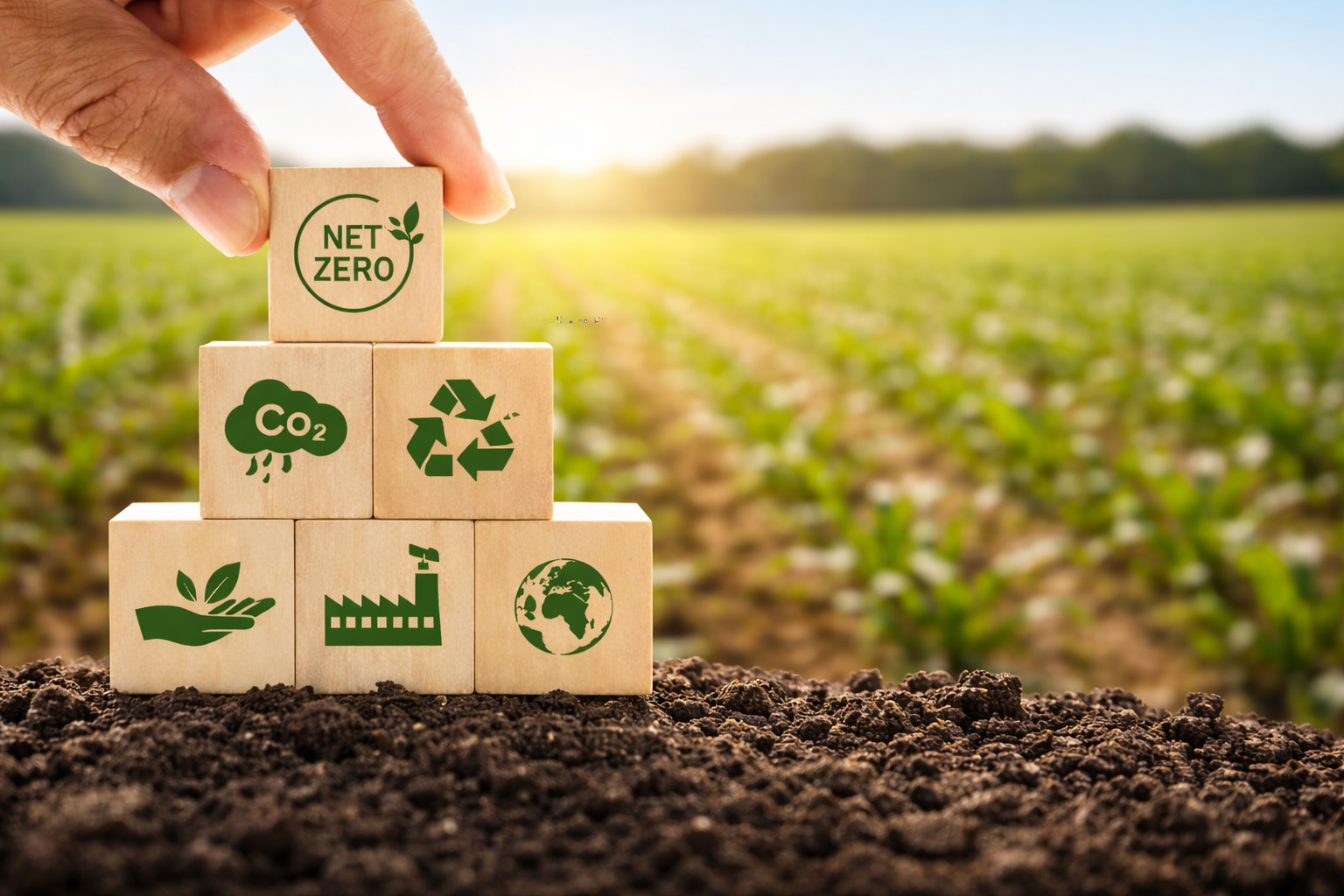
Environmental benefits of biochar
Long-term carbon storage
Biochar locks carbon into a stable solid form rather than releasing it back into the atmosphere. This distinguishes it from many other biomass utilisation routes and underpins its role in climate mitigation strategies.
Reduced emissions compared to disposal
Producing biochar through controlled pyrolysis can reduce emissions associated with:
Landfill decomposition and methane release
Open burning of residues
Long-distance transport of waste materials
When integrated into industrial sites, biochar production can also make use of recovered thermal energy, further improving overall efficiency.
Learn more
FuturEnergy develops industrial biochar systems designed to support long-term carbon stability and circular carbon strategies within the UK bioeconomy.