
Latest News: FuturEnergy signs contract with WF Recycle-Tech to deliver 1.5T/hr commercial tyre pyrolysis plant
Biochar CleanTech Accelerator - Sustainability Innovator Of The Year ‘Highly Commended’ winners at Innovation Awards 2025
Latest News: FuturEnergy signs contract with WF Recycle-Tech to deliver 1.5T/hr commercial tyre pyrolysis plant Biochar CleanTech Accelerator - Sustainability Innovator Of The Year ‘Highly Commended’ winners at Innovation Awards 2025
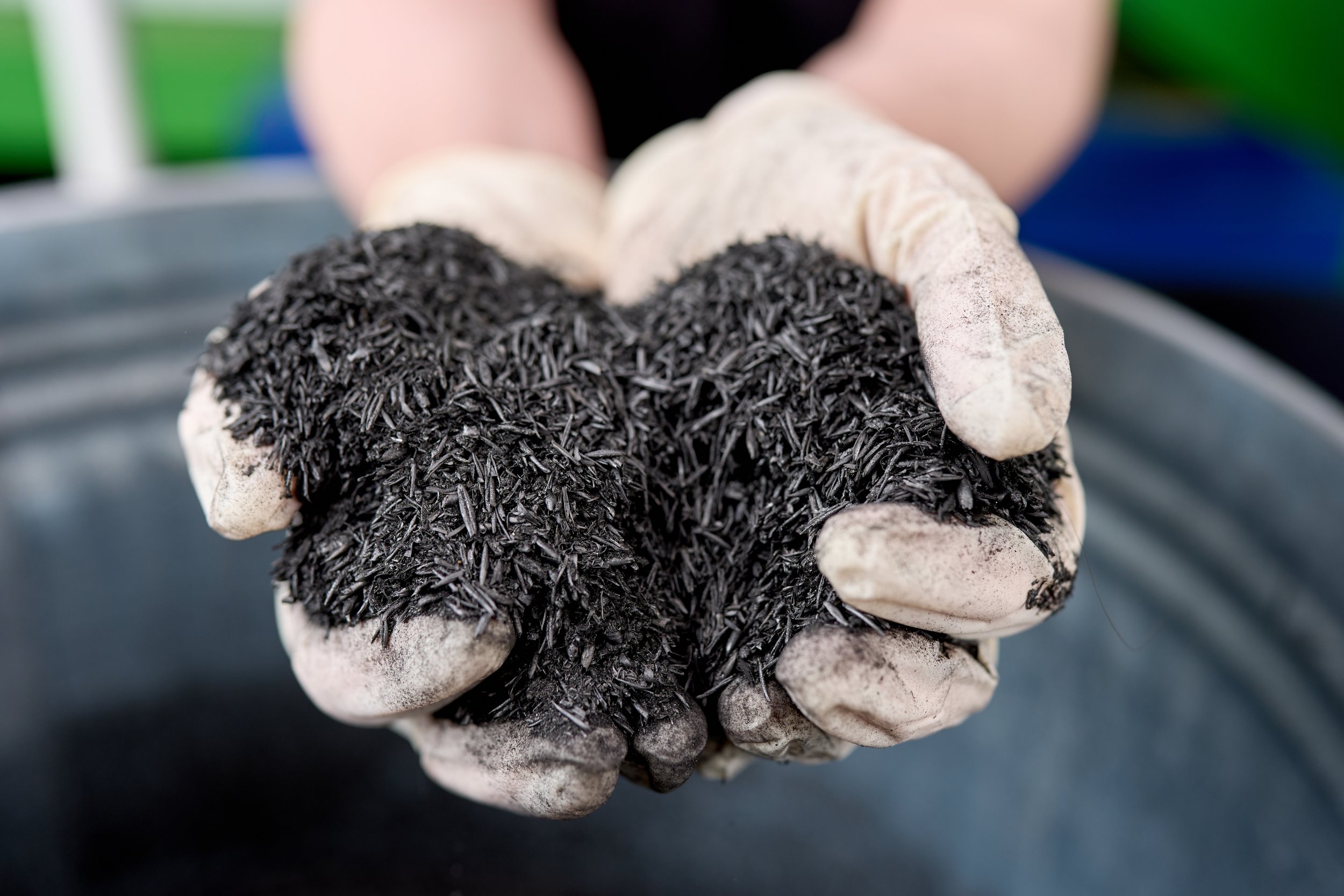
What can biochar be used for?
Biochar is a versatile material with applications across agriculture, industry, and the built environment.
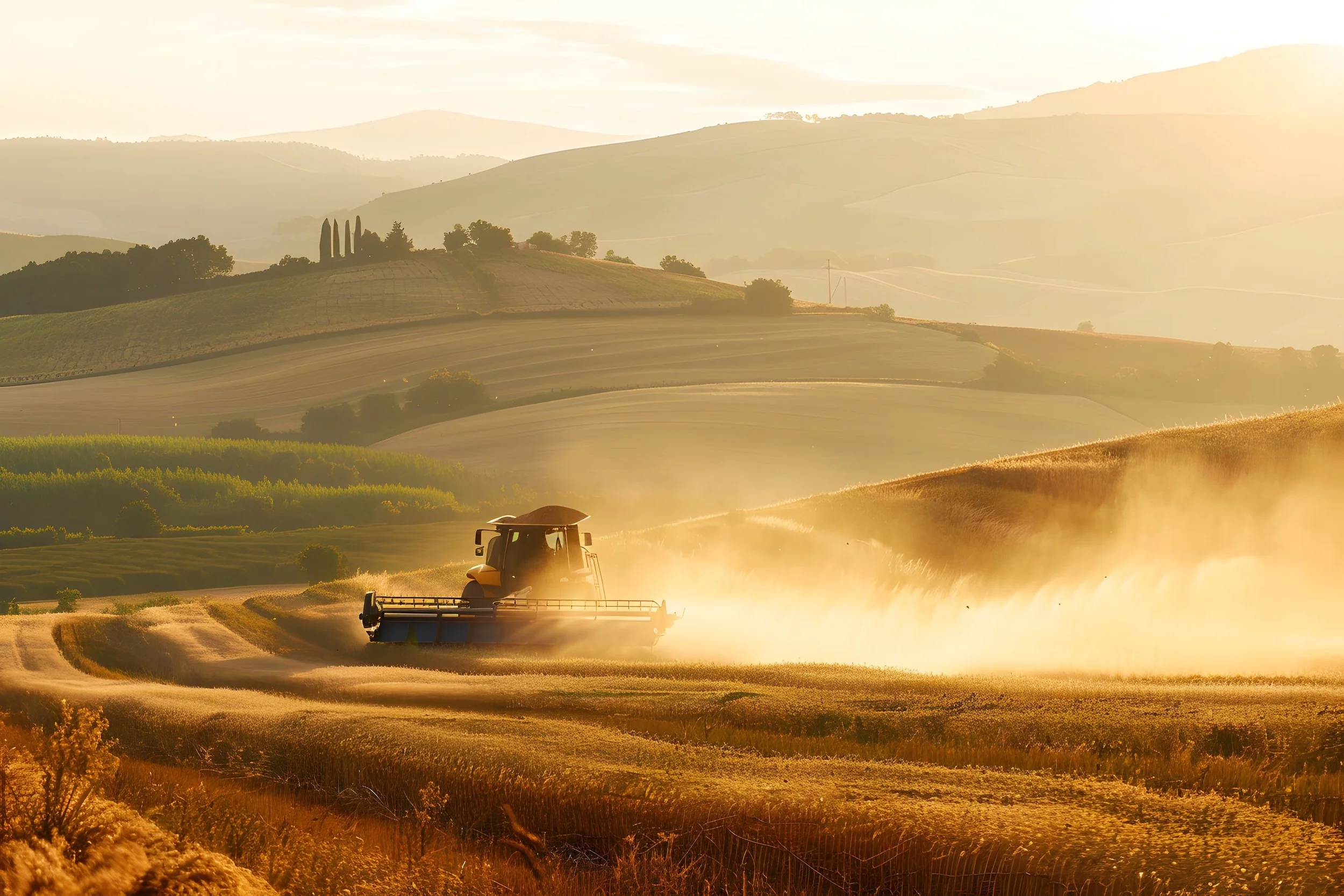
Agriculture and horticulture
In agricultural and horticultural settings, biochar is commonly used as a soil amendment. When incorporated into soil, it can:
Improve water retention and drainage
Increase nutrient availability and retention
Support beneficial microbial activity
Enhance soil structure and resilience
These properties can lead to improved crop performance and reduced reliance on synthetic fertilisers when used appropriately.
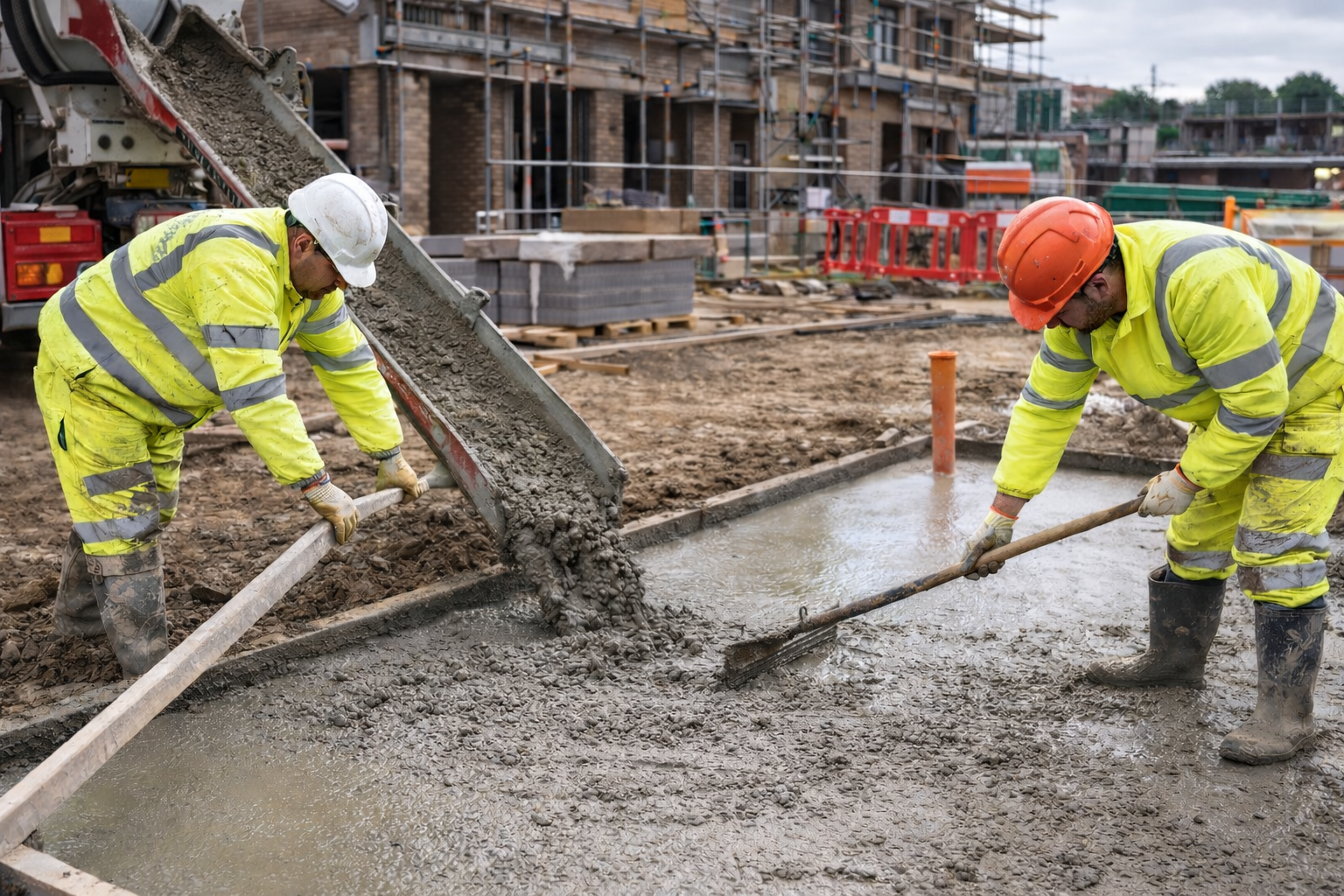
Construction and industrial applications
Biochar is also used in non-agricultural applications, including:
Low-carbon concrete and construction materials
Asphalt and composite products
Filtration and adsorption media
Industrial fillers and functional additives
In these applications, biochar can improve material performance while reducing the embodied carbon of finished products.
Environmental benefits of biochar
Long-term carbon storage
Biochar locks carbon into a stable solid form rather than releasing it back into the atmosphere. This distinguishes it from many other biomass utilisation routes and underpins its role in climate mitigation strategies.
Reduced emissions compared to disposal
Producing biochar through controlled pyrolysis can reduce emissions associated with:
Landfill decomposition and methane release
Open burning of residues
Long-distance transport of waste materials
When integrated into industrial sites, biochar production can also make use of recovered thermal energy, further improving overall efficiency.
Circular use of biomass residues
By converting agricultural and industrial residues into useful products, biochar production supports a circular approach to resource management. Materials that might otherwise be landfilled, burned, or exported for disposal are instead upgraded into value-adding outputs.
Biochar and sustainable systems
Biochar is not a single solution to environmental challenges, but it can play an important role within integrated sustainability strategies. Its effectiveness depends on:
Feedstock sourcing and availability
Production technology and operating conditions
Intended end use and application
Local regulatory and market frameworks
As interest in biochar grows, industrial-scale systems are increasingly being developed to ensure consistent quality, traceability, and environmental performance.
Learn more
As a UK biochar technology company, FuturEnergy supports the development of commercial applications for biochar across agriculture, industry and low-carbon material sectors.